
I’ve experimented with just about every type of fast you can imagine.
Water fasts. Dry fasts. Intermittent fasting. Extended fasts.
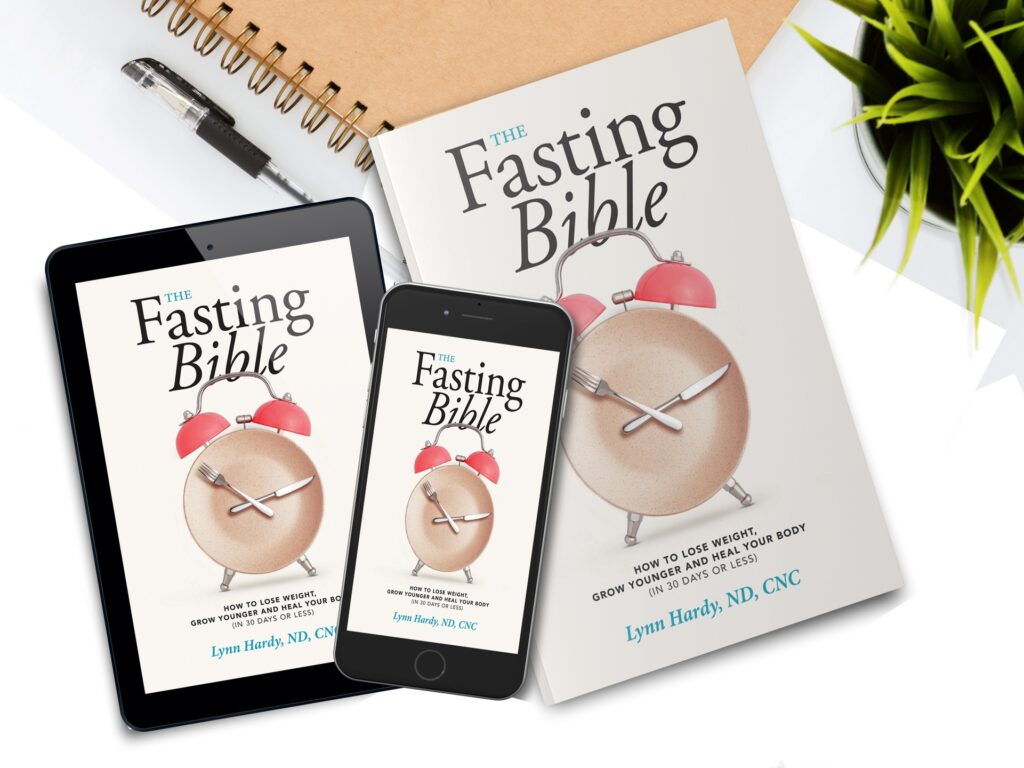
In fact, I even wrote an entire book on the subject called The Fasting Bible, because I’ve always been fascinated by the incredible healing potential of giving our bodies a break from constant eating.
📖 Book: https://amzn.to/3T7TED8

Lately, though, life has been busy.
When I know my body could benefit from a longer fast but I’m not quite in the right headspace—or simply don’t have the bandwidth—I often turn to OMAD (One Meal a Day) instead.
Today, I just finished day four.
And no, I can’t tell you it’s been easy.
To be honest, I sometimes find dry fasting easier because I experience much less hunger. This round of OMAD has come with plenty of hunger signals, but interestingly, they don’t feel like true physical hunger. My body isn’t desperately asking for food. It’s more that my brain is protesting. It’s used to eating at certain times, and habits can be incredibly powerful.
I’ve found that keeping busy, going for a walk, working on a project, or simply distracting myself usually makes those cravings disappear. It’s a good reminder that not every hunger signal means we actually need to eat.
Why I Keep Coming Back to OMAD
While it may not have all the same benefits as a prolonged fast, OMAD can be a fantastic option when you want many of the advantages of fasting without committing to several days.
Here are the five biggest reasons I keep coming back to OMAD.
- It Gives Your Digestive System a Break
Most of us spend our entire day digesting food.
OMAD gives your digestive system many hours to rest and recover instead of constantly processing meals and snacks. Many people notice they feel lighter, less bloated, and have steadier energy.
- It Helps Reduce Mindless Eating
One of the biggest lessons OMAD teaches is the difference between real hunger and habitual eating.
How often do we eat because the clock says it’s lunchtime? Because we’re bored? Because we’re stressed? Because food is there?
OMAD makes you much more aware of these patterns.
- It Simplifies Life
When life gets hectic, the last thing I want to think about is preparing multiple meals every day.
With OMAD, I can focus on work, exercise, family, and everything else without constantly planning my next meal.
Ironically, eating less often can feel incredibly freeing.
- It May Support Metabolic Health
Research suggests that time-restricted eating may support healthy blood sugar regulation, improve insulin sensitivity in some people, and help the body become more metabolically flexible. Individual results vary, but many people report steadier energy throughout the day.
- It Can Be a Great Alternative to Longer Fasts
There are times when I know I’d benefit from a three-, five-, or even longer fast.
But sometimes the timing just isn’t right.
Instead of doing nothing, OMAD allows me to maintain many healthy fasting habits while fitting into everyday life.
For me, it’s the perfect middle ground.
My Biggest Challenge
The hardest part hasn’t been physical hunger.
It’s been my brain.
Our brains love routines, and breaking those routines isn’t always comfortable. But every time I push through that urge to eat simply because it’s “time,” I’m reminded that I have more control than I sometimes give myself credit for.
That, in itself, feels empowering.
A Few Words of Caution
Fasting—including OMAD—is not appropriate for everyone.
If you’re pregnant or breastfeeding, have a history of an eating disorder, have certain medical conditions, or take medications that require food, speak with your healthcare provider before trying any fasting protocol. Individual needs vary, and fasting should always be approached thoughtfully.
Learn More
If you’d like to learn more about fasting, I’ve put together two resources that dive much deeper into the different fasting methods, including OMAD, intermittent fasting, water fasting, and extended fasting.
📖 Read my book, The Fasting Bible
https://amzn.to/3T7TED8
🎥 Watch my YouTube video on fasting
https://www.youtube.com/watch?v=IecBOc6y9uA
Whether you’re just getting started or looking to deepen your understanding, I hope these resources help you find an approach that works for your body and your lifestyle.
At the end of the day, fasting isn’t about punishment or deprivation.
For me, it’s about creating space for the body to do what it was designed to do. And when a longer fast doesn’t fit into my schedule, OMAD is often the next best thing.