
We’ve been conditioned to believe that alcohol is essential to celebration, relaxation, and fun. Watch any movie or television show and you’ll see it everywhere—actors rarely have an empty hand. There’s always a glass of wine, a cocktail, or whiskey on the rocks. We’re told that drinking is the only way to unwind after a stressful day, that celebrations require it, and that those who don’t participate are somehow “no fun.”

But here’s what I’ve learned through decades of research and working with thousands of women: alcohol directly affects your ability to feel your best. It’s optional for your health. It’s optional for your vitality.
And if you’re in menopause, it’s doing far more damage than you realize.
What Alcohol Actually Does to Your Body
When you drink, your body treats alcohol as a toxin, because it is. Your liver immediately shuts down its primary function of burning fat for up to 48 hours in order to eliminate this poison from your system.
Think about that. Every time you drink, you’re telling your body: Stop burning fat. Stop your normal metabolic processes. Deal with this emergency.
For women in menopause, this is catastrophic timing. Your metabolism is already slowing due to hormonal shifts. Estrogen levels are declining, which naturally reduces the calories you burn daily. Alcohol stops fat-burning and actively promotes fat storage, particularly around the abdomen. That “menopause belly” so many women struggle with? Alcohol is making it exponentially worse.
I actually made a video exploring this topic in depth, including my personal journey with alcohol, why our culture normalizes it so heavily, and the science behind why it’s so damaging to your health and appearance.
Watch it here if you want the full story.
The Hormone Connection
But fat storage is just the beginning. Alcohol has a direct impact on your hormonal system at precisely the moment when your hormones are already in flux.
Alcohol disrupts estrogen regulation, interferes with progesterone production, and elevates cortisol—your primary stress hormone. During menopause, when your body is desperately trying to recalibrate its hormonal balance, alcohol throws everything into chaos. It worsens hot flashes, intensifies night sweats, deepens mood swings, and sabotages sleep quality, the very thing your body needs most during this transition.

And here’s what most women don’t know: alcohol is a depressant. Yes, it might feel like it relaxes you in the moment, but it actually increases anxiety, stress, and depression. During menopause, when emotional regulation is already challenging, alcohol amplifies every struggle.
The Cancer Question Nobody Wants to Discuss
The research is clear, even if the conversation is uncomfortable: drinking more than 100 grams of alcohol per week is associated with a lowered life expectancy and is classified as a level-one carcinogen. That means there is strong evidence it can lead to cancer.
For menopausal women, this risk compounds. Alcohol increases estrogen levels temporarily (which sounds good until you realize excess estrogen during menopause is linked to breast cancer and other hormone-sensitive cancers). It also damages your liver, increases your risk of heart disease, high blood pressure, and irregular heartbeat.

What Happens When You Actually Stop
Here’s what women tell me after committing to sobriety or significantly reducing alcohol:
Their skin becomes more plump and clear. Sleep improves dramatically and is deeper, more restorative. Hot flashes decrease in frequency and intensity. Energy levels stabilize. Brain fog clears. They lose weight without changing anything else. Their moods become more stable. They actually feel good again.
Dry January Is Your Invitation
Dry January is trending for a reason. Women are waking up to the fact that alcohol steals from them. It steals energy, clarity, hormonal balance, and years of health.
This is about power. It’s about choosing a body that feels strong, a mind that’s clear, and a life where you’re not constantly fighting against your own biology.
If you’re in menopause, a 30-day break from alcohol is like hitting the reset button on your entire system. Your liver can finally do its job. Your hormones can begin to stabilize. Your sleep improves. Fat burning resumes. Hot flashes ease. You remember what it feels like to be present and clear-minded.
And most importantly, you prove to yourself that you don’t need alcohol to have fun, to relax, or to celebrate. You need real food, movement, sunlight, connection, and sleep. Those are the things that actually build a life worth living.
Your Next Step
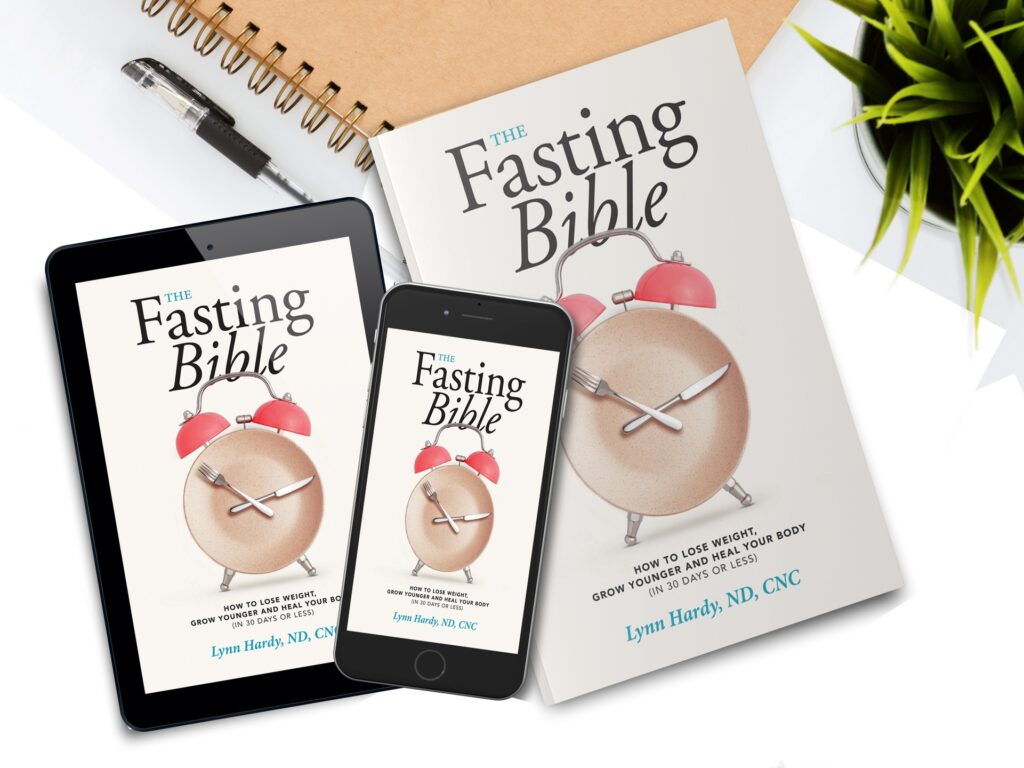
If you’re ready to take control of your menopause journey and to understand not just why to reduce alcohol, but how to build a body and life that thrives, my book 30-Day Natural Menopause Reset walks you through exactly that. It’s not just about elimination. It’s about what you replace it with.
Real food. Real hormones. Real solutions.
This January, make the choice that honors your body. You deserve to feel strong, clear, and alive. Not just surviving menopause—thriving through it.
Your body is waiting for you to start listening.
— Lynn